Bio Matter
As humankind is largely becoming concerned with the impact that our activities have on the biosphere, research in the fields of sustainable materials is an important area of research. More traditional materials such as plastics, metal, and glass derived from non-renewable resources, or those that are not readily biodegradable nor decompose when disposed of, are harmful to the environment. With the desire and curiosity to explore alternatives, I am interested in exploring the development and use of biomaterials and expand on my practice.
Biomaterials are defined as materials that are both bio-based because they derive from or are produced by biological organisms, such as plants, animals, bacteria, are readily biodegradable and do not leave behind toxic residue. Beyond exploring the potentials in linking biomaterials to sustainable art making, my objective is to obtain further actionable knowledge of biomaterial development and implementation through:
A. Studio-based research consisting of biomaterial investigations, experimentation, application and workable outcomes for extrudable and sustainable bio-pastes
B. Theoretical research, findings and reflections which explore and discuss processes, outcomes, the opportunities and challenges of working with sustainable biomaterials.
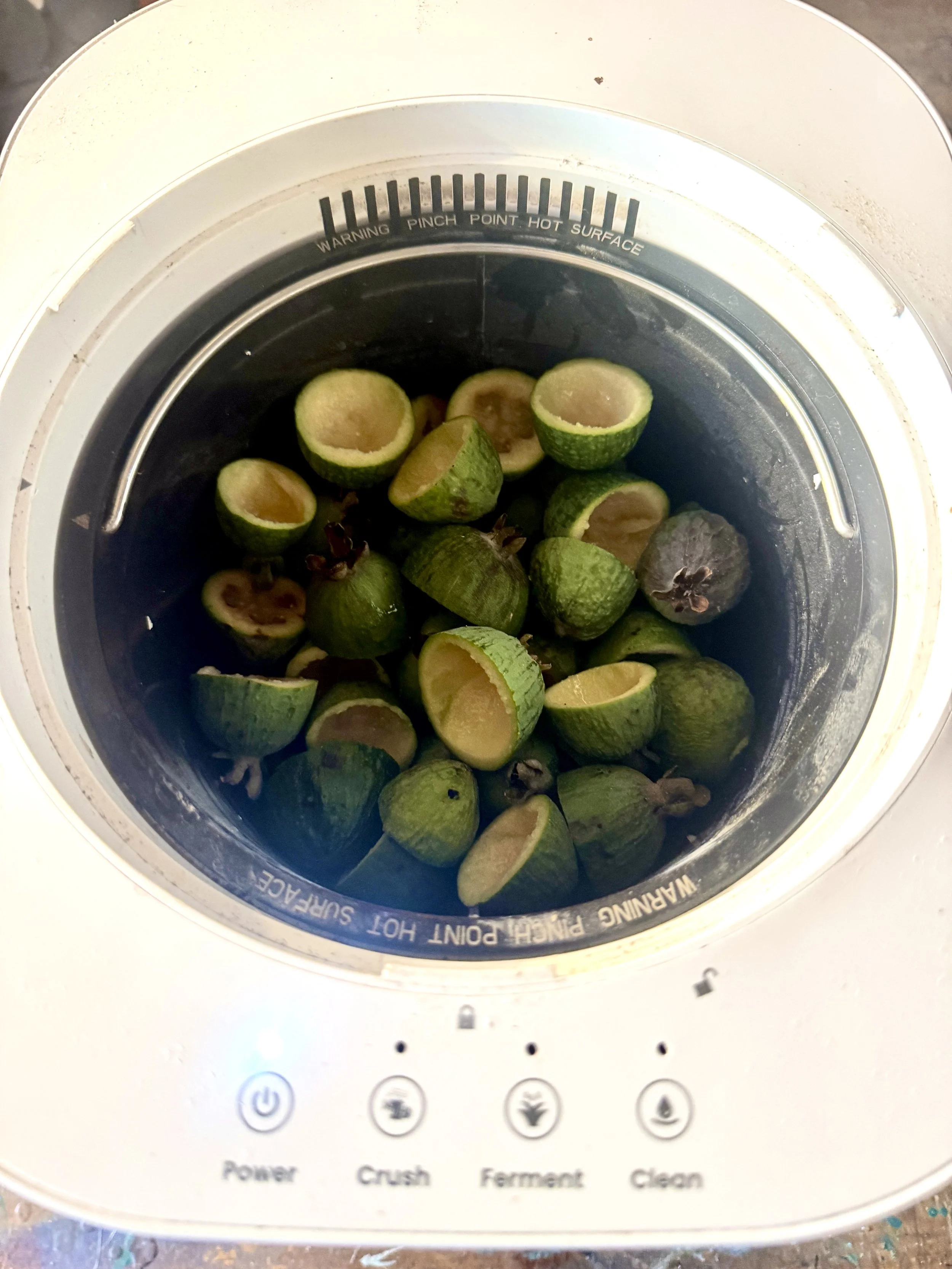
The development of biomatter created from organic waste - Organic waste such as food scraps or garden waste can be detrimental to the environment if it is buried in landfill as it generates emissions that are harmful to the environment as it slowly breaks down. I want to explore the utilisation of an electric composter to breakdown my kitchen, garden and green studio waste from the production of my root systems artworks, and then repurposing that broken down waste matter to create sustainable, moldable and/or extrudable bio-pastes. This could produce objects or could be printed into objects with a 3D extrudable clay printer. I am more inclined to think I would like to use my hands but 3D printing is an option to possibly explore.
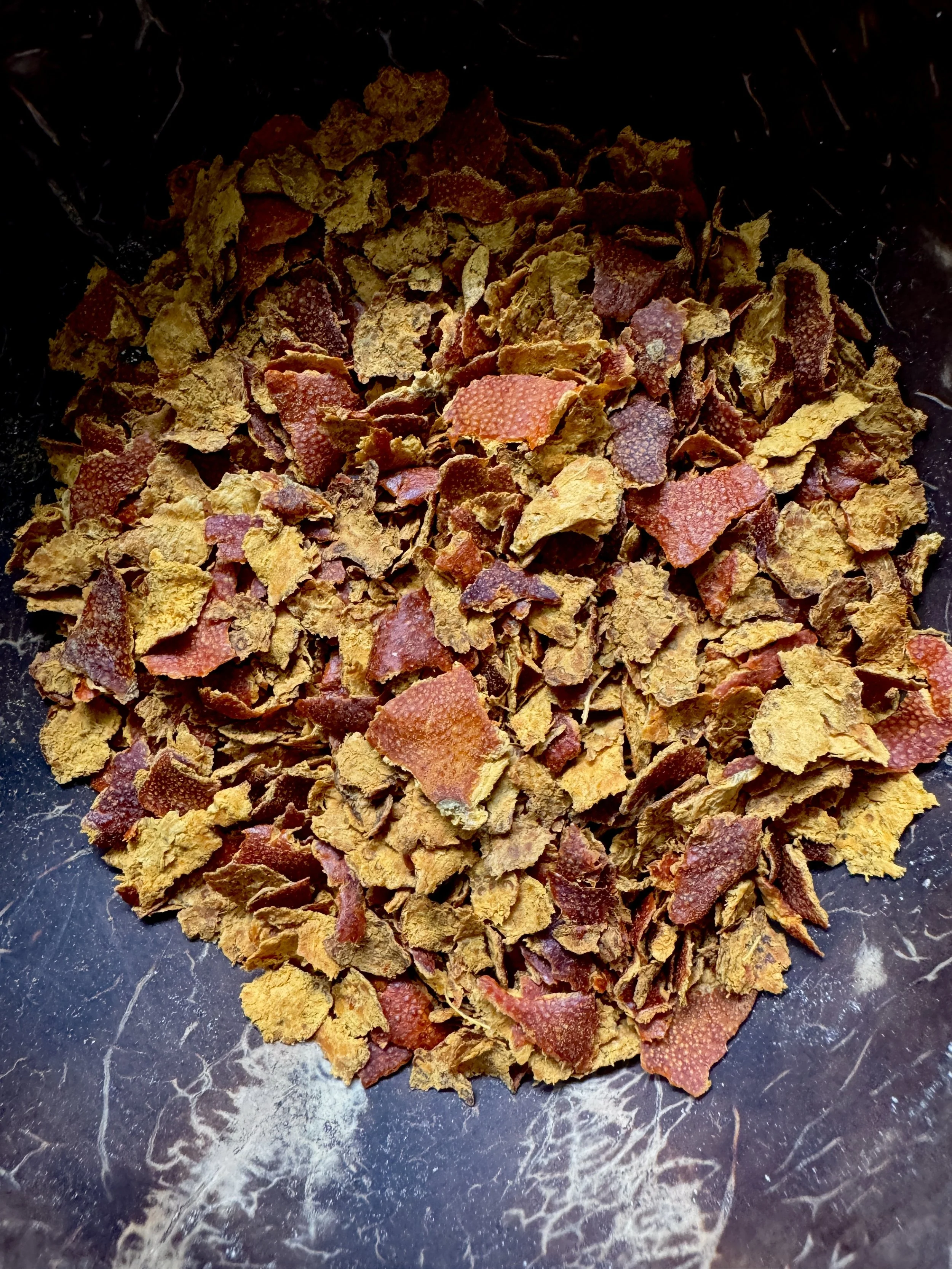
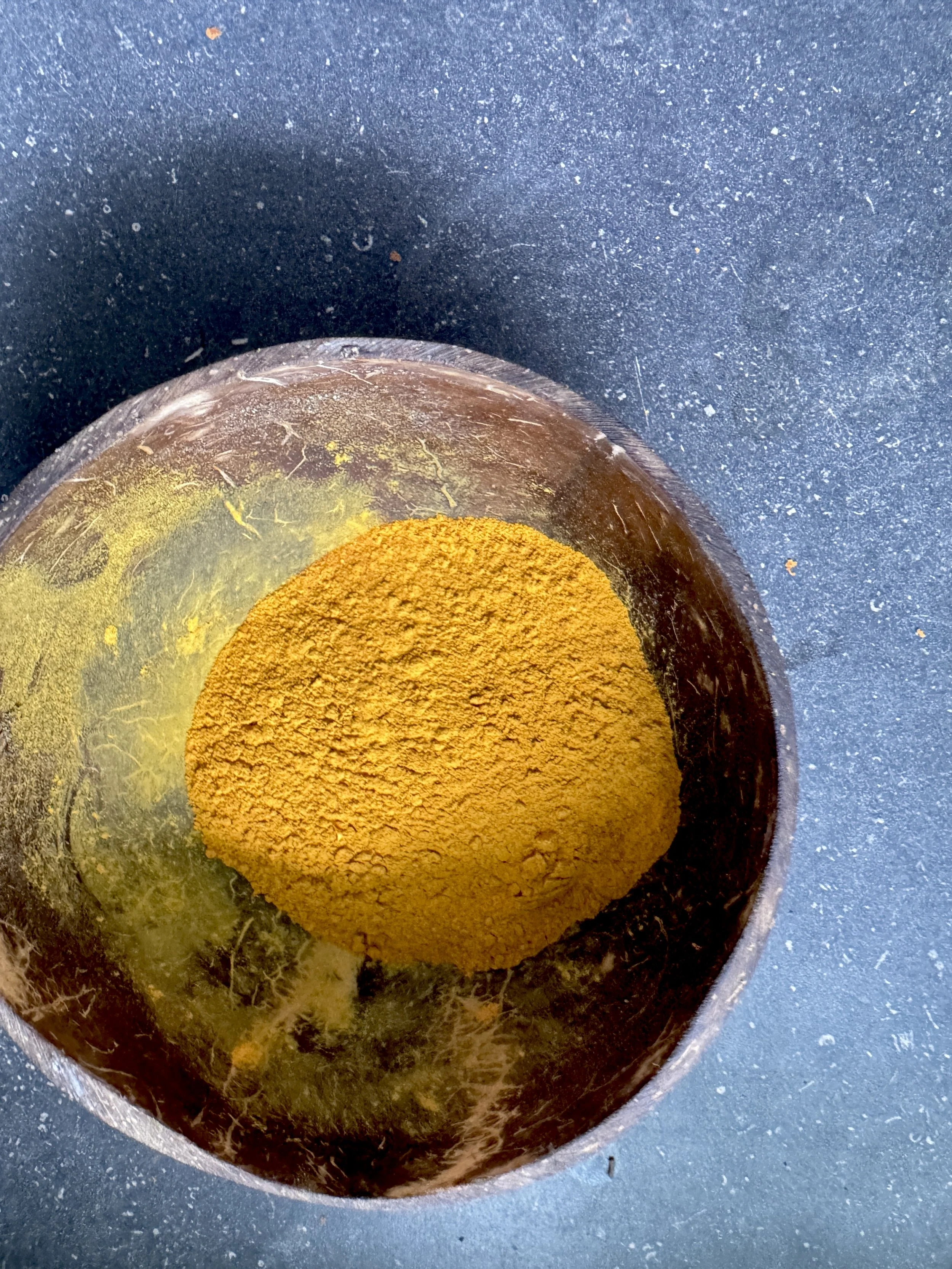
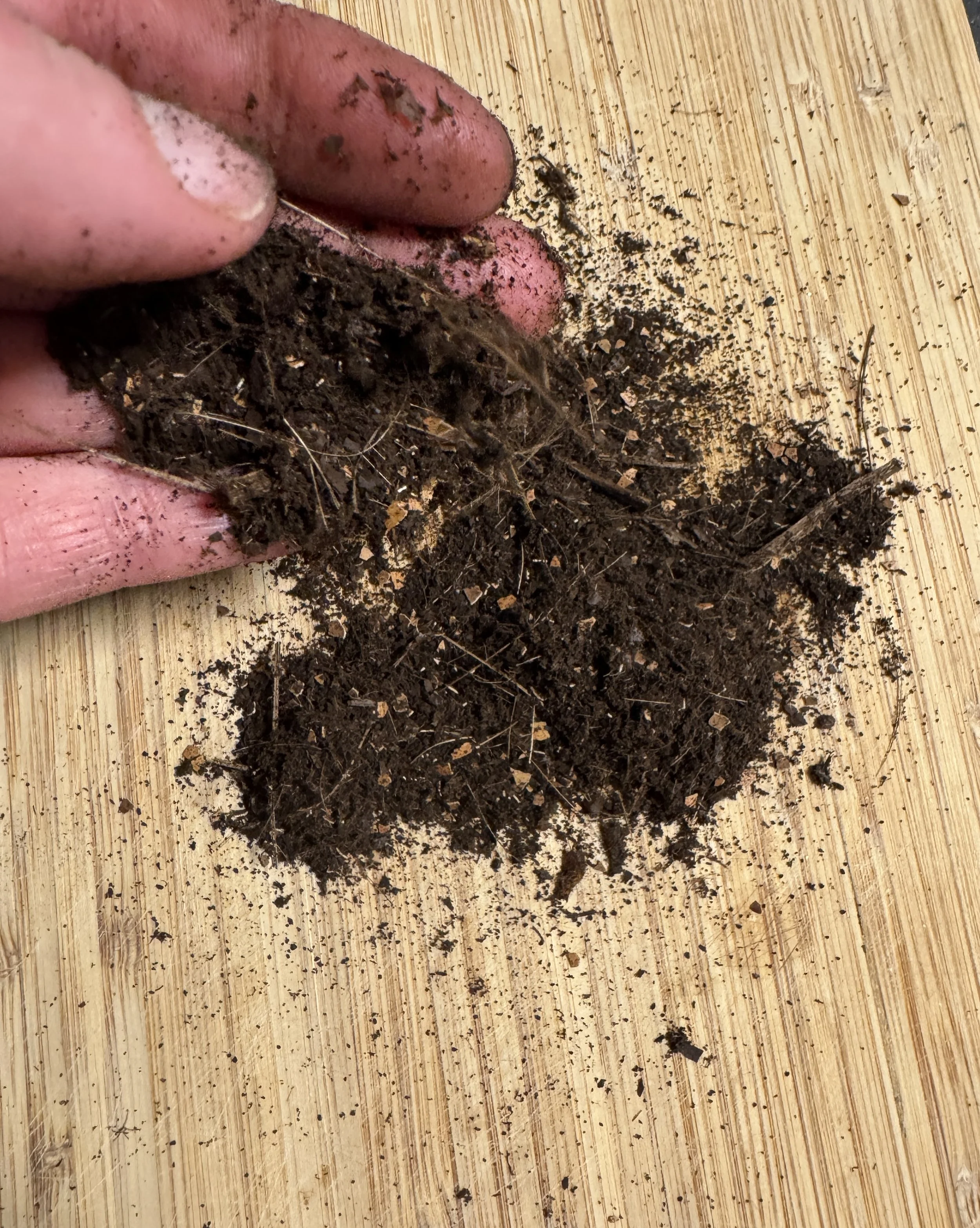
After obtaining an electric composter, I did some trials with kitchen waste. Generally, waste results in dried matter in varying shades of brown. I found that if I separated waste by colour, I could get yellow/orange powder from citrus peel, and white powder from eggshell. I would feel there could be a danger in manipulating my diet if I got too involved in creating different coloured powders.
Using the electric composter, I do have to ensure there is enough dry matter in the composter so it creates a loose powder. If the mixture is too wet, it just creates a moist “glump” in the machine’s cycle. After the machine has run through the cycle, I sieve the mixture to remove any large particles and then run it through a spice grinder. This produces a nice fine powder which is ready to be mixed into a paste or can be stored for later use.
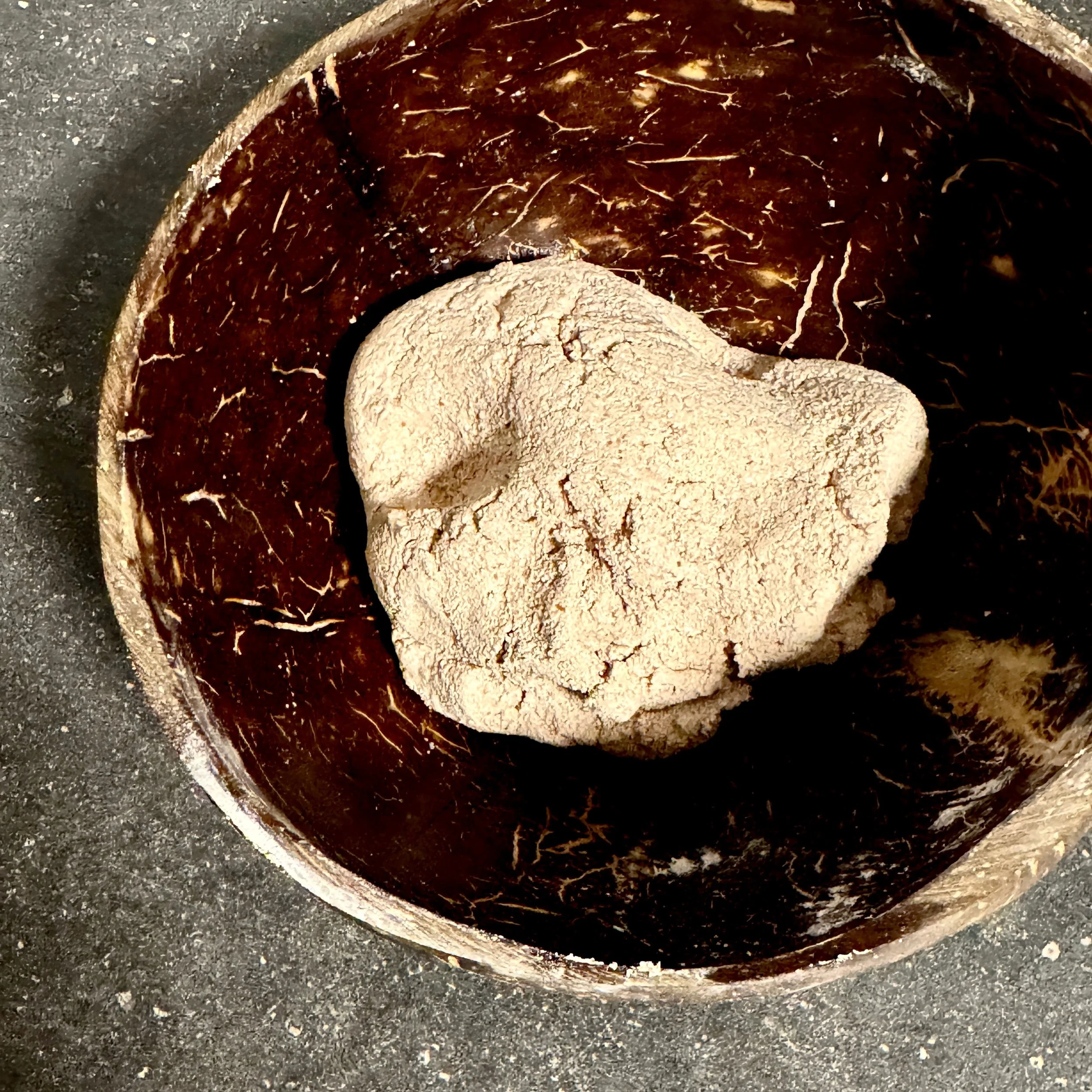
In creating matter that is mouldable, I need to add other compounds to the material. Eggshell powder is a good binder (I have found it was compatible with algae bioplastic t00). Xantham gum, cellulose powder and oil is useful in formulating a paste that holds form. It is nice to work with but requires care, it can break or crumble if pressure is not right in the forming process. This may be more down to the ratios of the ingredients and would be something to experiment with.
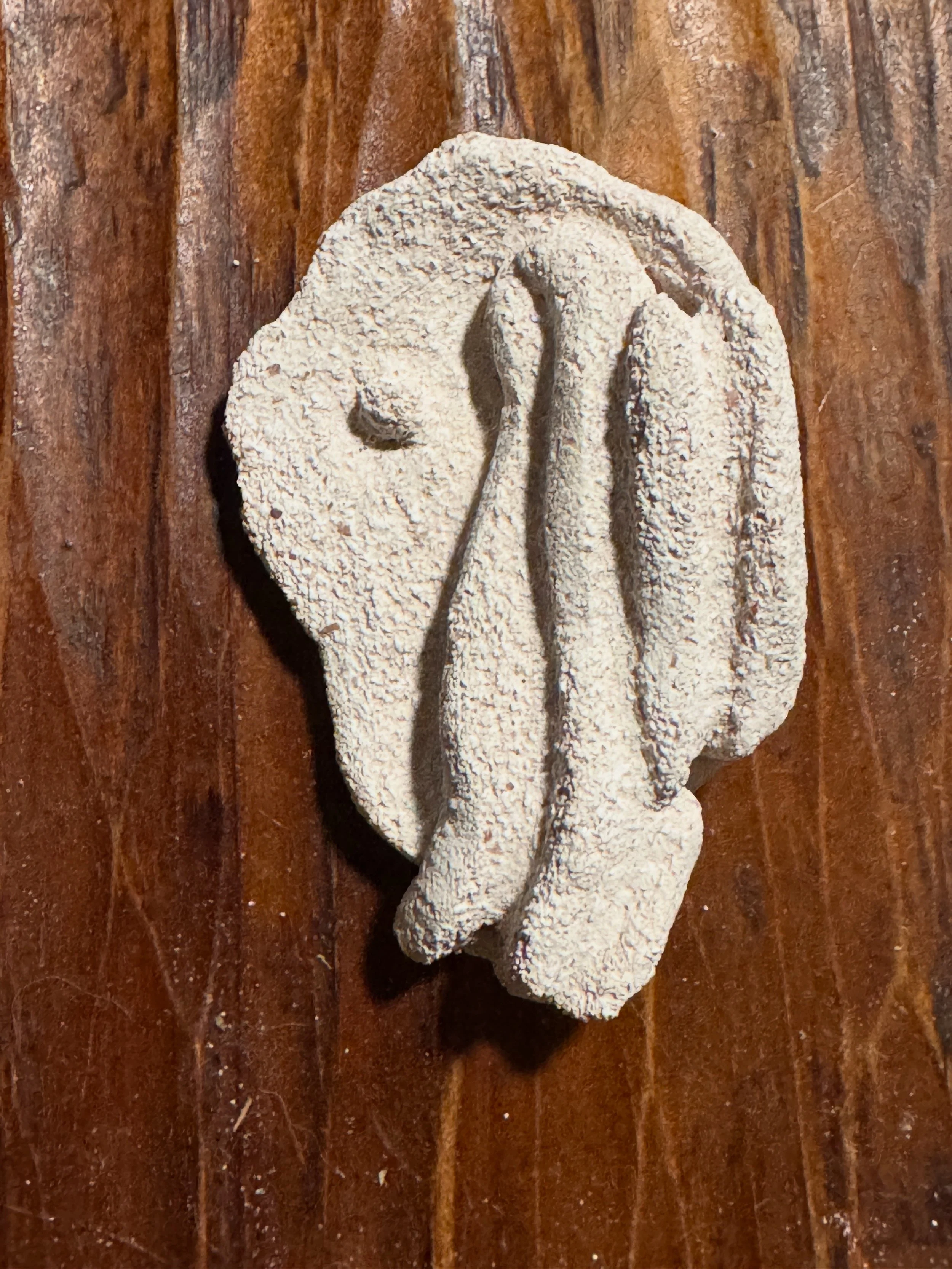
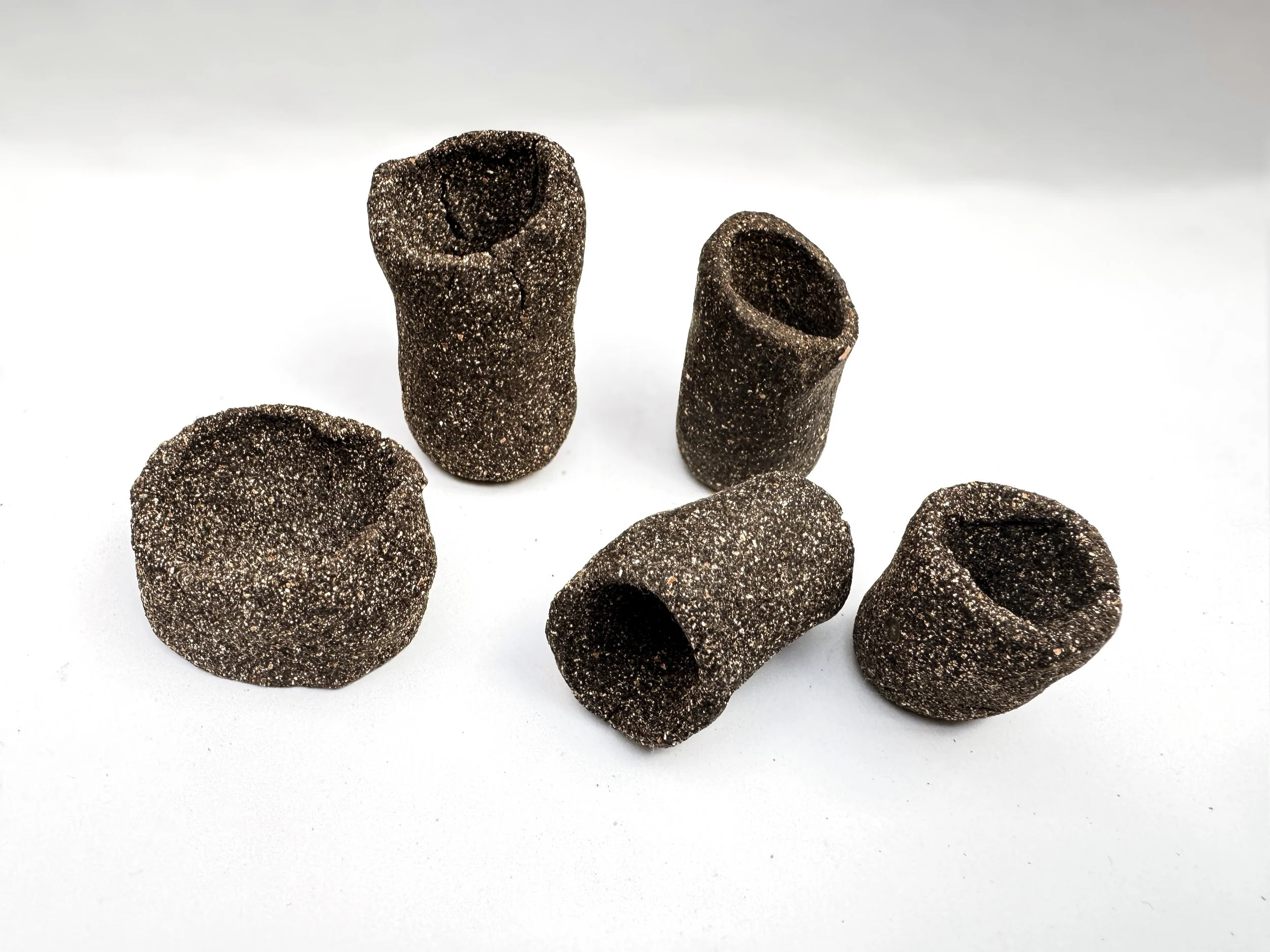
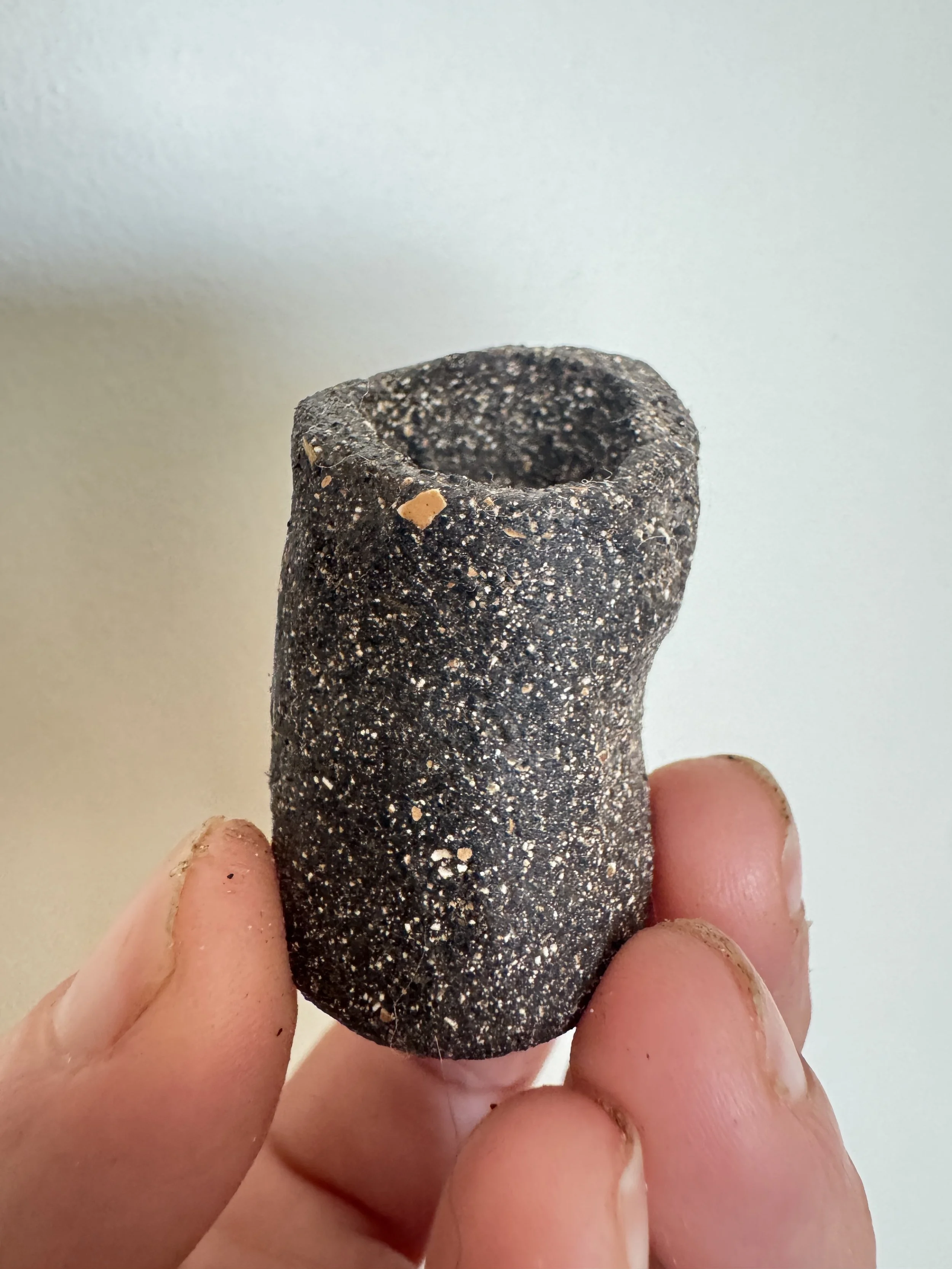
My first instinct was to create small vessels, there was no plan as such, it is just what I made. Could that be an association with clay which is generally or traditionally used for vessels/containers? There was a conscious decision to create small objects first to ascertain their strength and how they held their form during the curing process.
After the object is dried, I have found that I can carve and sand the matter. It seems fairly durable. I sealed some of the objects with wax medium for preservation.* I suspect this may help although there seems not to be much difference in the sealed and not sealed apart from a slightly different finish, as you’d expect from a light coating.
I did enjoy working with the matter, it was a very rudimentary test and seemed quite primal in a way. I was worried about “ick” and feeling abject about it in the way I generally feel about the weekly council compost bin, but it doesn’t smell bad nor is the texture bad. It is like dry soil.
I am interested to see where I can take this.
*Note: the original forms have been sitting around for over 6 months and are showing no signs of breakdown or moulding.